Why Is It Challenging to Buy Gifts for Experienced Men? The Ultimate Guide
Gift giving is a deeply emotional act, meant to signal appreciation and thoughtfulness. Yet, when that recipient is an experienced man—someone who has moved past the novelty phase of life—the process can feel less like shopping and more like solving a cryptographic puzzle. You are faced with an overwhelming task: finding something meaningful that doesn't just sit on a shelf. If you’ve ever stood in a department store, staring at rows of ties and gadgets, feeling completely lost, you understand the struggle. It is far from straightforward to know exactly what someone needs or wants until they say it themselves.
The difficulty isn't because these men are unappreciative; quite the opposite. They are discerning. They have tasted a wider variety of life experiences, seen trends come and go, and therefore possess an elevated sense of taste. This is why many people ask, "why is it challenging to buy gifts for experienced men?" The answer lies in understanding that their appreciation has shifted from material accumulation to refined experience. We need to stop shopping for objects and start shopping for moments.
Understanding the Shift: From Status Symbols to Subtlety
The traditional gift landscape often assumed that more money equaled better gifts, a notion rooted in status symbols. But the modern, experienced man has largely moved beyond caring about what others think he owns. He values quality, utility, and things that enhance his passions rather than simply displaying wealth. This shift means the old playbook—expensive cologne or a luxury watch (unless he already collects them!)—is often ineffective.
His tastes are honed by experience; they are like a well-loved piece of leather jacket—they show character and tell a story, unlike something brand new that hasn't been tested yet. When we try to buy gifts for experienced men, we must discard the mindset of "expensive equals good" and embrace the idea of curation.
The Value of Utility Over Vanity
One common mistake is confusing 'nice to have' with 'need to have.' An experienced man tends to appreciate objects that solve an actual problem or enhance a deeply held hobby. Think about his reading material, his favorite weekend activity, or even just how he organizes his sock drawer—where are the points of friction? Those weak spots in his routine are where the best gifts hide.
Thinking Beyond the Box: Curating Experiences and Time
If we cannot solve the problem by looking at physical goods, we must look at time and memory. The most memorable gifts often aren't tangible; they are investments in shared experiences or personal growth. This is a pivotal concept that changes the entire approach to gift shopping.
I was recently trying to buy a gift for my brother who loved cooking but had seen every gadget on Amazon. Instead of buying another spice grinder, I booked us a weekend class focused entirely on regional Italian pasta making. The look on his face when he realized it wasn't an object, but an activity we could share? Priceless. This realization struck me: the gift isn't the thing; it's the shared time and the new skill acquired together.
A good gift should feel like finding a hidden Same Day Gift Delivery gem—a diamond in the rough that only you know how to polish. What if he doesn't need things? Perhaps he needs an escape, or an afternoon of uninterrupted focus on his favorite pastime. This shift requires us to become keen observers, asking ourselves: what does he complain about needing more time for?
The Power of Deep Observation and Personalization
Ultimately, the secret sauce to gift giving isn't budget size; it is attention. When we try to figure out why it is challenging to buy gifts for experienced men, we are often failing because we are shopping from our perspective, not theirs. We need to become detectives of his life.
Are there subtle items he always uses up? Does he mention a niche podcast or book author repeatedly? These are the breadcrumbs leading you directly to a perfect gift. True personalization involves buying something that acknowledges an inside joke, a deep passion, or a specific Have a peek at this website moment in his life—something only you would know about.
As one renowned curator once observed, "The greatest art is the recognition of another person's unique self." Applying this sentiment to gifting helps us realize we aren't shopping for generalized masculinity; we are celebrating his specific brand of manliness. This deep level of care makes the gift feel less like a purchase and more like an affirmation: "I see you."

Gifts Rooted in Specific Passions, Not Just Profit Margins
To help make this concrete, let’s pivot away from general ideas and focus on his known passions. Instead of buying a generic "man gadget," look at the tools or enhancements for those tools.
Consider these categories:
- The Literary Mind: A first edition book by an author he loves, or a subscription to a niche literary journal.
- The Culinary Explorer: High-quality, single-origin spices; a specialized smoking wood kit; or gourmet ingredients from a specific region (e.g., Peruvian chili paste).
- The Outdoorsman/Adventurer: A lightweight piece of gear for his favorite activity (like a durable pair of gloves designed for cold weather); or passes to a local nature reserve’s guided tour.
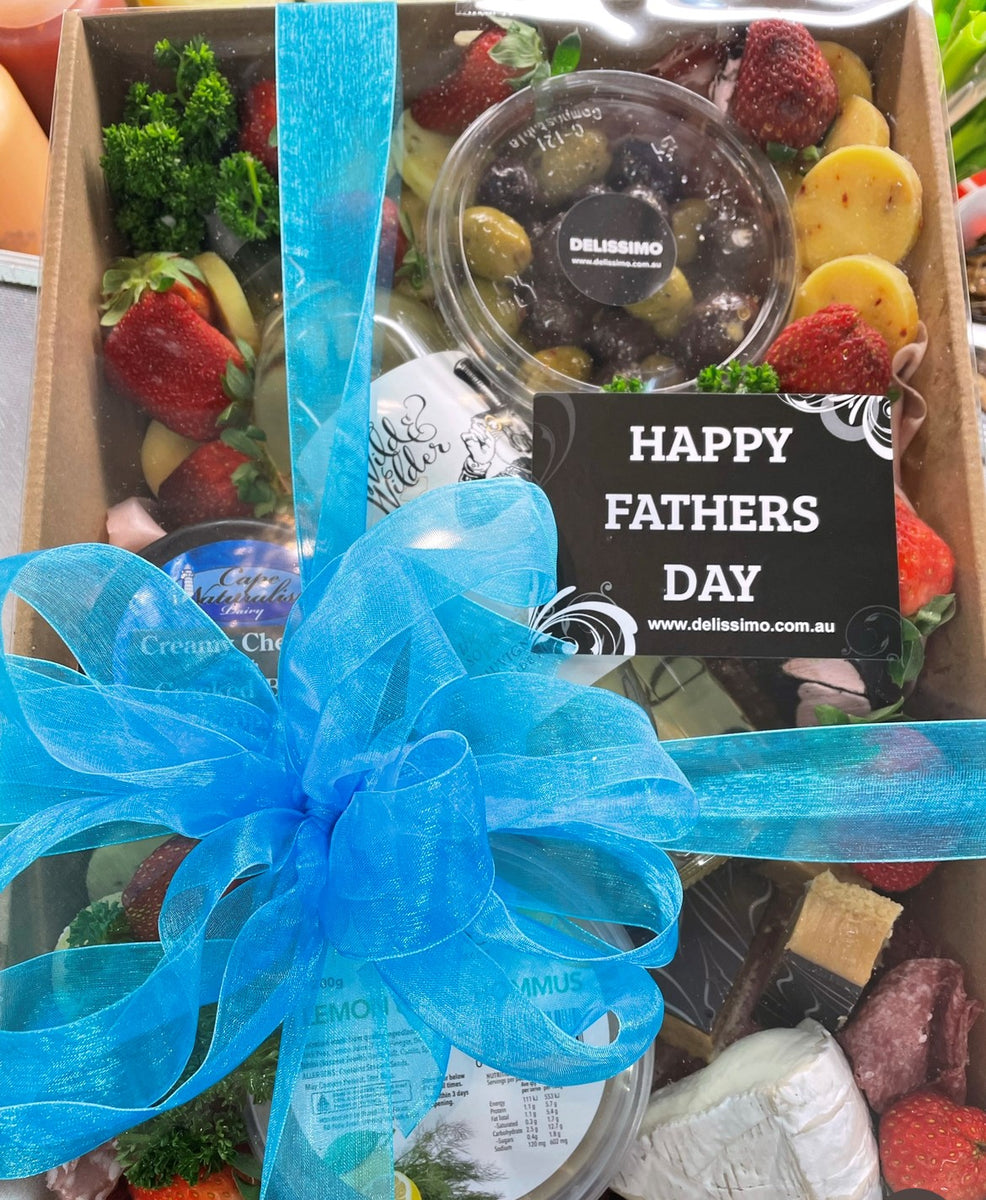
Does he prefer the aesthetic, or does he prefer the function? The answer will guide you away from those generic gift baskets and toward something truly impactful. Remember that while it may seem overwhelming right now, these subtle observations are what elevate a purchase into a cherished memento.
Cultivating Your Gift-Giving Superpower for Years to Come
Understanding why is it challenging to buy gifts for experienced men? leads us to one simple truth: the challenge dissolves when we stop viewing gift giving as an obligation and start seeing it as an opportunity for connection. The goal isn't perfection; it’s genuine thoughtfulness.
Instead of stressing over finding that perfect item, make a pact with yourself to dedicate time simply observing him—watching how he interacts with his environment, what makes him smile during mundane moments, or which stories he repeats most often. These quiet moments are the richest data points you can collect. By shifting your focus from what to giving to how you observe and connect, you transform a stressful shopping trip into an act of pure intimacy.
Start small. Note one thing about his routine this week that gives him joy—a specific cup of coffee, a particular armchair, or the way he organizes his desk. That single observation is your new superpower, making any future gift choice effortless and deeply meaningful.